
Condo Inspections in Northern Virginia: A Buyer’s Guide
Know what to check inside a condo, what may fall outside a unit inspection, and which questions to take to the seller or association before closing.
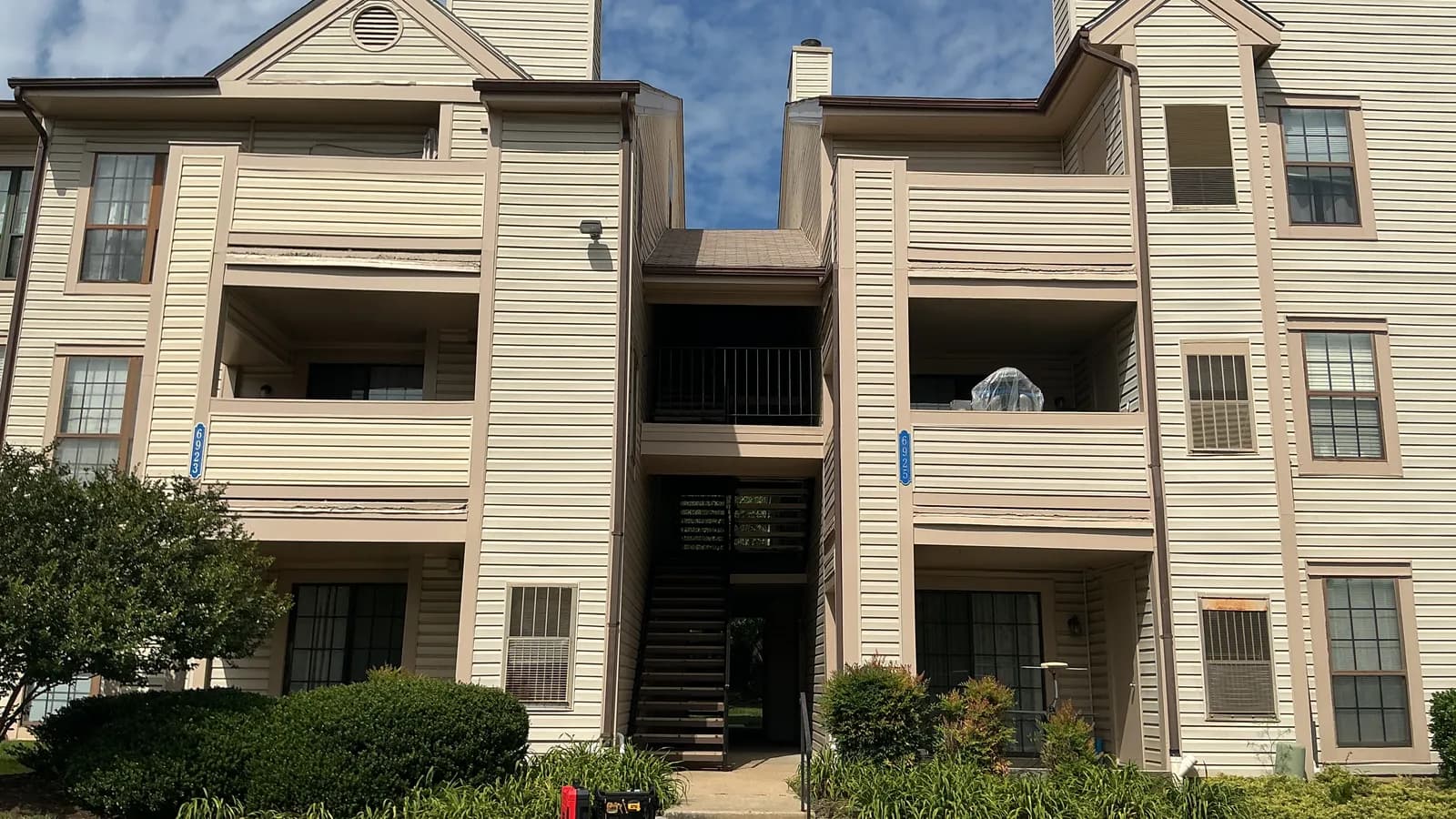
A condo’s smaller floor plan can make the purchase feel simpler than buying a detached house. Yet the unit still contains plumbing, electrical equipment, ventilation, windows, appliances, and finishes that deserve attention. Some systems may serve only your unit; others connect to parts of the building managed by the association.
A useful condo inspection checklist therefore starts with two questions: What condition is the unit in, and who is responsible for the components connected to it? This guide helps Northern Virginia buyers prepare for the inspection and organize the follow-up questions.
Start by defining the inspection scope
Before the appointment, explain whether you are buying a high-rise unit, a garden-style condo, or a townhouse-style condominium. The layout affects access to equipment and the areas that can be evaluated. Ask what the inspection includes and identify any mechanical closets, balconies, or storage areas that belong to the unit.
A unit inspection should not be mistaken for an engineering assessment of the whole building. Shared roofs, central mechanical systems, elevators, and structural components may be outside the agreed scope or inaccessible during the visit. InterNACHI’s guidance on condominium inspection scope illustrates why common areas need explicit attention in the inspection agreement.
Caspian’s condo and apartment inspection service focuses on the individual unit. The buyer and the buyer’s agent are responsible for reviewing the HOA or condominium documents before the inspection, if available at that time, to understand the maintenance responsibilities of the unit owner and the association.
1. Look for evidence of moisture
Pay attention to ceilings below neighboring bathrooms, window surrounds, exterior-facing walls, and the areas beneath sinks. Staining, swollen trim, damaged cabinet bottoms, or a musty smell can justify further investigation, even when the surface is dry during the visit.
A stain is evidence to investigate, not a diagnosis by itself. It could relate to a past repair, a plumbing leak, exterior water entry, or condensation. Ask what the inspector observed and what additional information would help establish whether the source has been addressed.
For example, repainting a ceiling does not document the repair of a leak from above. If the seller reports a previous incident, ask for the repair history and clarify whether the association or another unit owner was involved.
2. Understand the plumbing arrangement
Within the accessible inspection scope, fixtures, drainage, visible piping, and any individual water heater deserve evaluation. Ask where the unit’s accessible water shutoff is and whether hot water comes from equipment inside the unit or a shared building system.
Make a note of any equipment that cannot be reached or operated. If a water heater sits in a locked closet, the absence of a finding is not confirmation that it is in good condition. Arrange access or an appropriate follow-up before relying on an incomplete picture.
3. Check heating, cooling, and ventilation
Identify which equipment serves the unit, where it is located, and how it can be maintained. A thermostat on the wall does not tell you whether the underlying system is entirely yours or connected to a central plant.
Ask the inspector about observed operation and any limitations caused by weather, building controls, or access. Discuss the location of filters and visible condensate drainage, and ask whether the bathroom and kitchen ventilation arrangements raise concerns. For more background, see our guide to bathroom ventilation problems.
4. Check electrical capacity, panel brand, and everyday safety concerns
Ask your inspector to identify the electrical capacity serving the unit, measured in amps, along with the electrical panel’s manufacturer, brand, and model where accessible. In older condos, pay particular attention to the panel’s age and any known history of safety concerns. Ask about known recalls or manufacturer safety notices and whether further verification or evaluation by a licensed electrician is recommended. Recall checks need to match the specific equipment information against manufacturer or Consumer Product Safety Commission (CPSC) records.
The inspection also covers accessible electrical components within the agreed scope, including the panel and representative outlets and switches. Tell your inspector about flickering lights, unusual odors, or equipment behavior noticed during a showing. Leave electrical cover removal and repairs to qualified professionals.
Ask what was checked regarding installed smoke and carbon monoxide alarms. A condo inspection does not certify the building’s entire fire-safety system.
5. Examine windows, doors, and appliances
Look beyond whether the finishes are attractive. Windows that do not operate properly, damaged seals, evidence of water entry, or a poorly fitting exterior door can affect everyday use. Appliance operation also matters when those appliances are included in the inspection.
Ownership and maintenance responsibilities may vary by component. Do not assume that every window or balcony repair belongs to the association simply because it is on the outside of the unit. Ask for the governing documents that explain the boundary and obtain clarification where the wording is uncertain.
6. Review the building documents separately
The inspection report cannot answer every question about the community. Request information about planned major work, unresolved building concerns, and the association’s process for reporting leaks or other shared-system problems.
Fannie Mae’s condo-buying guidance recommends reviewing the community as well as the individual unit, and discussing relevant questions with the association, lender, and real estate team. Its Condo Buyer’s Guide also explains why buyers should understand the bylaws and their obligations.
Keep these two reviews connected. If the inspection finds a ceiling stain, ask whether building records identify a recurring leak. If documents describe planned exterior work, ask whether it affects the unit you are considering. Refer legal interpretations of ownership and responsibility to an appropriate professional.
Before inspection day: a short preparation list
- Confirm the exact unit, parking arrangements, and building access procedure.
- Arrange keys or permission for equipment and other areas included in the inspection.
- Share known leaks, repairs, alterations, and concerns from previous visits.
- Confirm that utilities and accessible equipment will be available for normal evaluation.
- Allow time to review the findings and identify any unanswered questions.
After the visit, organize follow-up items by who can answer them: the inspector, seller, association, or a qualified specialist. A sample inspection report can help you understand how findings are documented before you book. (Get a sample report by email)
Whether you are considering a condo in Arlington, Alexandria, Fairfax County, or elsewhere in Northern Virginia, the goal is to understand the unit and the limits of what was evaluated. Schedule a condo inspection with Caspian and include the property type and access details so the appointment can be planned around the building.
Thinking about an inspection?
We inspect across Northern Virginia and Montgomery County, MD. Book online, or call (202) 831-3889 with a question first.