
New-Construction Final Inspection
“Final” Describes the Stage—Not the Condition
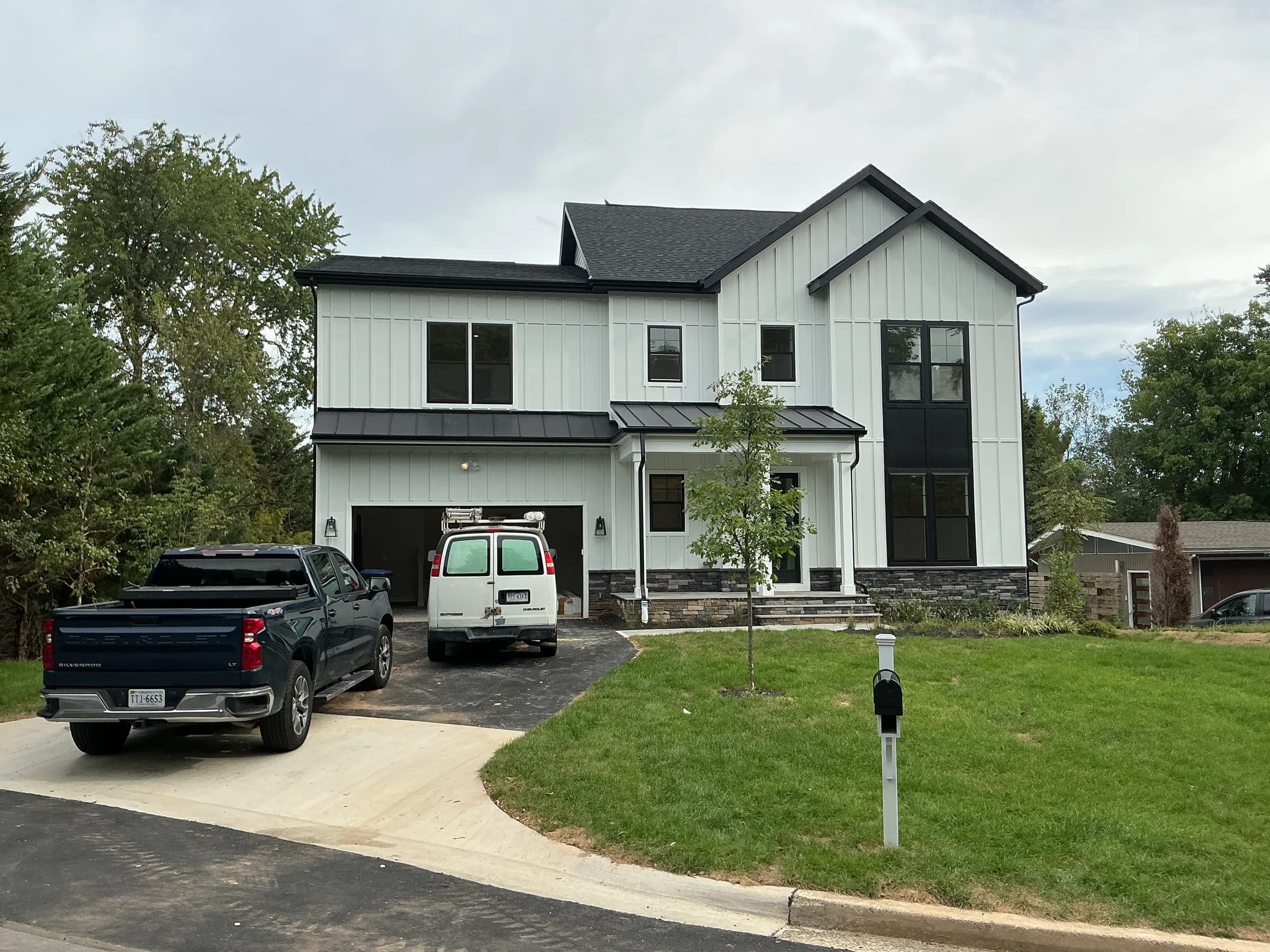
A new-construction final inspection is performed when the home is substantially complete and preparing for delivery, but before the buyer’s final walkthrough and settlement.
By this point, the walls are closed, the finishes are installed, the utilities are connected, and the home finally looks complete. But looking complete and being ready to own are not always the same thing.
The builder’s walkthrough is primarily an opportunity for the buyer to review the home and discuss visible concerns. A Caspian final inspection goes much deeper. We take the time to operate the installed systems, examine the completed construction, follow visible clues, and document both functional defects and workmanship concerns throughout the property.
We dig deep, you rest easy.
The First Time the Home Can Be Tested as a Complete System
A pre-drywall inspection reveals how the home was assembled before the walls were closed. The final inspection reveals how the completed home actually works.
Water can now be run through the plumbing system. Electrical circuits can be tested. Heating and cooling equipment can be operated. Appliances, windows, doors, exhaust systems, drainage components, and safety features can finally be evaluated in their finished condition.
This is why we consider the final inspection the most important inspection before taking ownership. It is the first—and only—opportunity to examine the substantially completed home as one operating system before accepting it from the builder.
A defect does not always remain where it began. A ceiling stain may lead to a plumbing or exterior concern. An uncomfortable room may point toward missing insulation, air leakage, or damaged ductwork. Water near the foundation may begin with the roof drainage or grading.
Our job is to follow those clues as far as a visual, non-invasive inspection allows—not simply record the first symptom we see.
One House, Hundreds of Hands
Whether it is a custom home or a production model, many people contribute to its construction. Framers, roofers, electricians, plumbers, HVAC installers, insulation crews, drywall contractors, painters, flooring installers, cabinet installers, and other trades all complete separate parts of the same house.
Most defects are not evidence that the entire home was poorly built. They are often the result of a missed connection, damaged material, incomplete detail, communication gap, or one trade unintentionally affecting another trade’s work.
The final inspection brings those separate pieces back together and evaluates the specific home you are buying—not the model home, the builder’s reputation, or another house completed nearby.
What We Examine
The inspection follows the home from the outside inward and from the visible symptom toward its possible source.
Depending on the home’s design, accessibility, installed components, and completion level, the inspection may include:
- Roof and exterior protection: Roof coverings, flashing, penetrations, gutters, exterior cladding, trim, sealants, windows, and doors
- Water management: Grading, drainage, foundation-adjacent conditions, plumbing fixtures, supply connections, drains, and visible signs of leakage
- Structure and concealed spaces: Accessible foundation components, attic framing, roof structure, insulation, ventilation, and visible mechanical installations
- Electrical system: Panels, breakers, receptacles, switches, lighting, installed safety devices, and accessible electrical components
- Heating and cooling: HVAC equipment, thermostats, accessible ductwork, registers, condensate management, and system operation under existing conditions
- Interior operation: Windows, doors, stairs, railings, cabinets, drawers, plumbing fixtures, bathrooms, ventilation, and installed appliances
- Garage components: Garage separation, vehicle doors, automatic openers, accessible electrical components, and installed safety features
- Completion and workmanship: Missing components, damaged materials, unfinished work, poor adjustments, and visible cosmetic concerns
This is a detailed inspection, and it is not rushed. The amount of time required depends on the home’s size, complexity, completion level, and the number of conditions requiring investigation and documentation.
The Details You Should Not Have to Discover After Moving In
You are purchasing a new home, and its delivery condition matters. During the final inspection, we also document visible workmanship and cosmetic concerns such as:
- Scratched, chipped, cracked, or stained materials
- Damaged flooring, countertops, cabinets, doors, or fixtures
- Drywall and paint imperfections
- Missing trim, caulking, hardware, or finishes
- Misaligned doors, windows, drawers, or cabinets
- Loose, incomplete, or poorly adjusted components
- Construction debris remaining in accessible areas
- Other visible details that should be discussed with the builder
A scratched floor and an active plumbing leak do not carry the same priority, and the report will not treat them as if they do. Both, however, deserve to be documented before the home is occupied.
After move-in, some damage may be more difficult to distinguish from normal use, furniture delivery, or homeowner activity. The final inspection establishes a detailed visual record of what was present before you took possession.
The 11-Month Inspection Is a Second Look—Not the First
An 11-month warranty inspection is extremely valuable because some concerns only become visible after the home has been occupied, experienced seasonal weather, or undergone normal settlement.
But it should not replace the final inspection.
The final inspection documents how the home was delivered. The 11-month inspection evaluates how the home has performed during its first year.
Waiting until the warranty period is nearly over may allow an active leak, drainage problem, missing insulation, disconnected duct, electrical concern, or incomplete installation to remain unnoticed for months. Cosmetic conditions may also be more difficult to attribute to the original construction after the home has been occupied.
These two inspections serve different purposes, and together they provide far stronger protection than either one alone.
When Is the Home Ready for Inspection?
The best time is after the builder has substantially completed the home but before the buyer’s final walkthrough.
Before scheduling, confirm with the builder that:
- Water, electricity, and gas are active
- Heating and cooling equipment can be operated
- Plumbing fixtures and installed appliances are connected
- Major construction work is complete
- The home has been cleaned sufficiently for surfaces to be examined
- All intended areas are accessible
- The builder has approved access for the independent inspection
If trades are still completing major work, important components may remain inaccessible or untestable. Whenever possible, leave enough time after the inspection to review the findings with the builder before settlement.
A Report Built for the Conversation With Your Builder
The report is not a collection of unexplained photographs. Each documented concern is presented with its location, supporting images, a clear description, and an explanation of why it deserves attention.
Significant defects, safety concerns, incomplete installations, workmanship conditions, and cosmetic items are organized so that you can distinguish priorities and communicate efficiently during your builder walkthrough.
Your customized digital report will be delivered within 24 hours.
Know What the Builder Is Handing You
The final inspection is not about proving that a new home is bad. It is about understanding the exact home being delivered to you—before the keys, furniture, and responsibilities become yours.
You worked hard to reach this moment. Before accepting the home, give it the time and attention it deserves.
Ready to book?
Pick a time online in under a minute. Questions first? Call our 24/7 AI quote & scheduling agent at (202) 831-3889.
See all inspection services