
Pre-Drywall Inspection: The One Chance to See What You’re Actually Buying
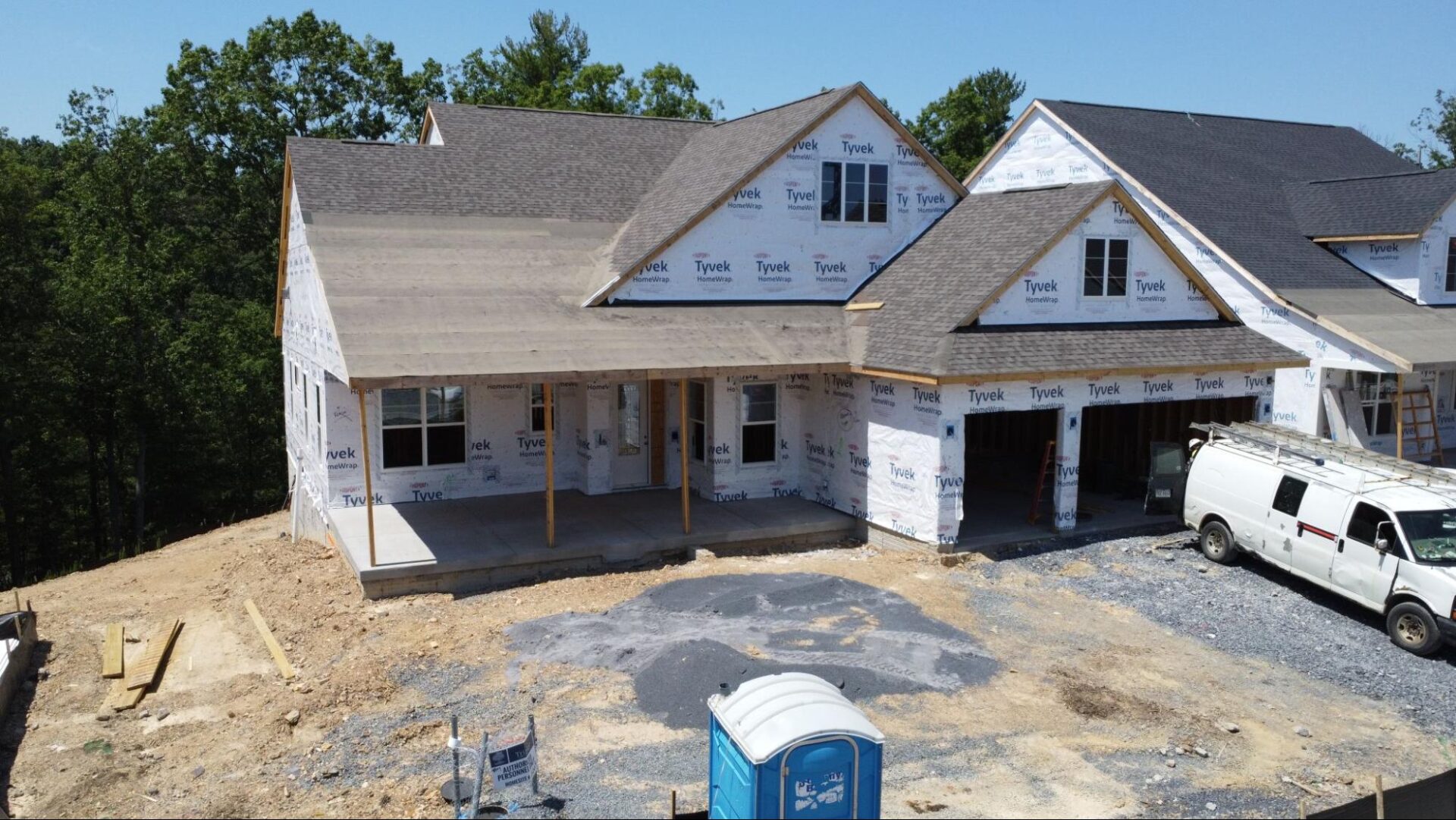
Serving Northern Virginia and Maryland homeowners building new construction homes.
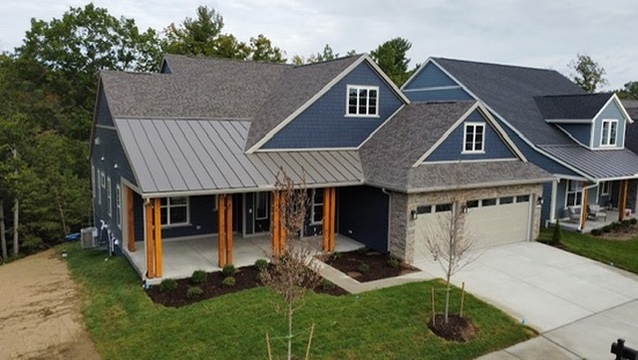
A new construction home can look clean, straight, and well-built.
But at that stage, you’re only seeing the surface.
The real work—framing, wiring, plumbing, and ductwork—is about to be covered.
Once drywall goes up, everything behind it becomes hidden from view.
A pre-drywall inspection is your only chance to see that part clearly.
What This Inspection Really Is
This inspection happens after:
- Framing is complete
- Electrical, plumbing, and HVAC rough-ins are installed
And before:
- Insulation
- Drywall
At this point, the house is still open. Everything that matters is visible and accessible.
⚠️ What We Actually See in the Field
Even in brand-new homes, issues are common.
Not because builders don’t care—but because construction moves fast, and multiple trades work independently.
Here are examples of what is often found before drywall:
- Duct connections not properly sealed
- Plumbing lines missing protective plates at framing penetrations (nail plates)
- Electrical wires installed too close to the edge of studs
- Framing members cut or altered without proper reinforcement
- Gaps around exterior wall penetrations that can lead to air leakage (flashing not properly installed)
- Mold or moisture-related staining on lumber
- Damaged or improperly installed roof trusses
- Foundation cracks or early signs of moisture intrusion
- Signs of wood-destroying insect (WDI) damage on structural components
These are conditions commonly observed during new construction inspections in Northern Virginia and Maryland.
After drywall, they are much harder to identify and repair.
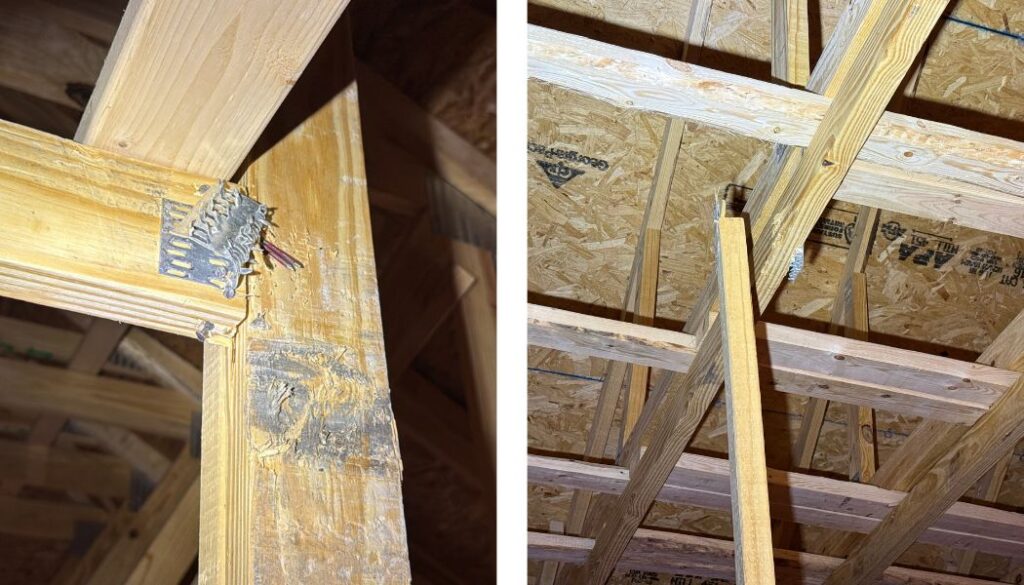
🔎 Real Example from a Pre-Drywall Inspection
Structural corrections at this stage are significantly easier than after drywall installation.
What was observed:
A structural framing member was damaged at a connection point, with improper fastening and compromised wood integrity.
Why it matters:
Altered or damaged framing can reduce structural strength and may affect load distribution if not properly corrected.
Recommendation:
Evaluation and repair by a qualified structural engineer to restore proper structural support before insulation and drywall installation.
🔎 Real Example from a Pre-Drywall Inspection
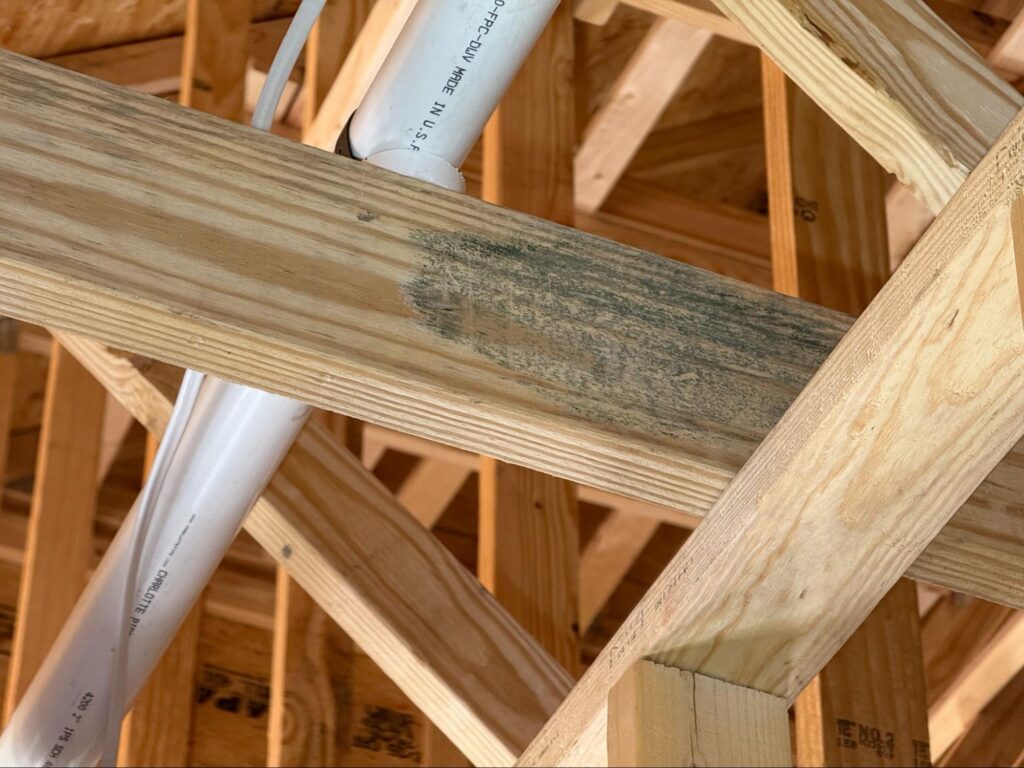
Conditions like this are much easier to address before the walls are closed.
What was observed:
Dark staining consistent with moisture-related growth was observed on framing lumber.
Why it matters:
Moisture exposure during construction can lead to mold growth, which may continue to develop if not properly addressed before the home is enclosed.
Recommendation:
Further evaluation and remediation as needed, including cleaning or replacement of affected materials prior to insulation and drywall installation.
🔎 Real Example from a Pre-Drywall Inspection
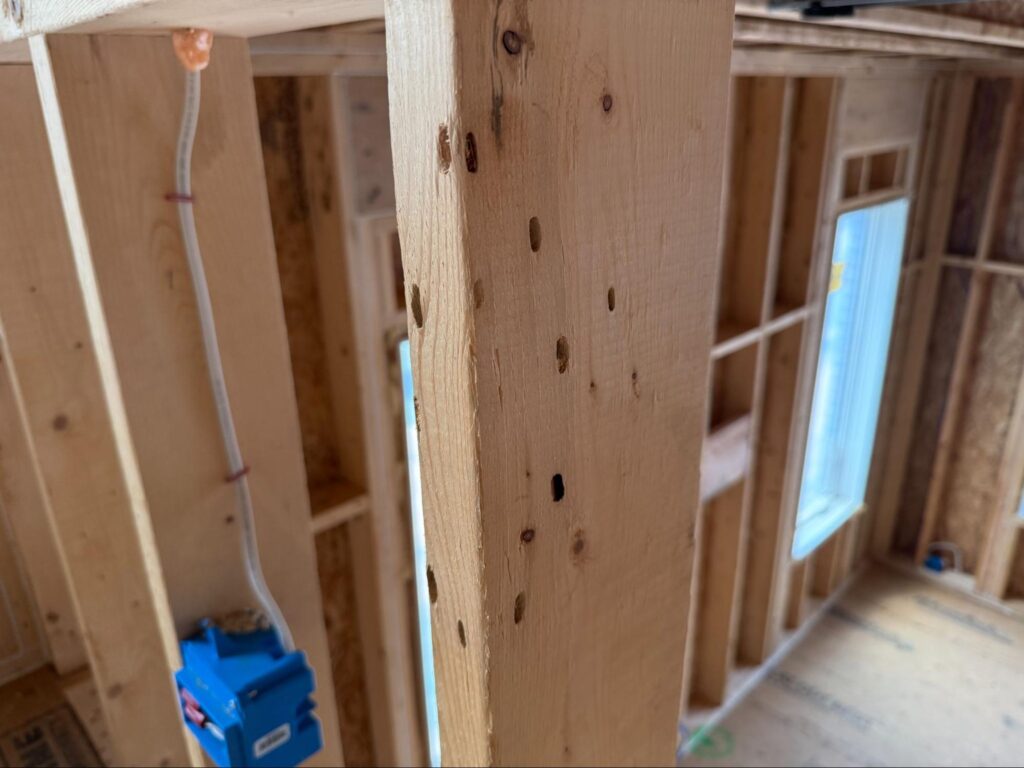
Identifying this before drywall helps prevent hidden damage later.
What was observed:
Multiple small bore holes were observed in a vertical framing member, consistent with wood-destroying insect (WDI) activity.
Why it matters:
WDI activity can weaken structural wood over time and may indicate active or prior infestation that should be addressed before the home is completed.
Recommendation:
Further evaluation by a licensed pest control specialist and repair or replacement of affected wood as needed.
🧠 Why This Stage Matters
This is the only time where:
- No finishes are hiding anything
- No assumptions are needed
- No invasive inspection is required
Everything is right in front of you.
Corrections at this stage are typically simple and direct. Later, the same issue may require opening walls and additional repairs.
⏳ Timing Matters
The inspection should be scheduled:
- After rough installations are complete
- Before insulation and drywall begin
If missed, this opportunity does not come back.
🤔 Builder and City Inspections vs. Private Inspection
Municipal inspections focus on minimum requirements.
They are limited in scope and time.
A pre-drywall inspection provides a more detailed, independent review of the visible systems and structure—focused on identifying conditions that may affect performance or require attention.
🏁 Final Thought
Once drywall is installed, the home starts to look finished.
But what’s behind it is what you live with.
A pre-drywall inspection gives you one chance to pause, take a closer look, and make sure everything underneath is in good condition before it’s covered.
📍 Caspian Home Inspection
At Caspian Home Inspection, pre-drywall inspections are performed with attention to detail and real-world construction experience—helping identify concerns while they are still visible and easier to address—before they become costly repairs.
Serving Northern Virginia and Maryland.

 Website Design by NOVA Advertising